The information on this website is general in nature and does not take into account your objectives, financial situation, or needs. Consider seeking personal advice from a licensed adviser before acting on any information.
Secured and unsecured business loans are two common types of finance available to Australian businesses. While both provide access to funding, they differ in how they are structured, the security requirements, borrowing limits and other loan features.
Introduction to Business Loans
This article explains the key differences between secured and unsecured business loans, including how they work, some of the features commonly associated with each loan type, and factors lenders may consider when assessing applications. The information is general in nature and is intended to help business owners better understand the available options.
Understanding these differences can help you compare business loan products and the features offered by different lenders before applying.
What are Secured Business Loans?
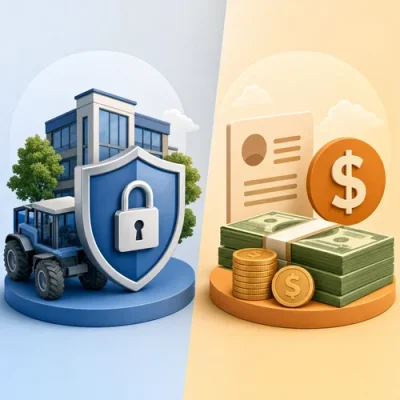
Secured business loans are loans where the borrower provides an acceptable asset as security for the loan. The security reduces the lender's risk and may influence the interest rate, borrowing limit or loan terms offered, depending on the lender's lending criteria.
Common types of collateral include property, equipment, vehicles, or even inventory. The assets provided as collateral must hold enough value to cover the loan amount, providing reassurance to the lender in case of default.
Depending on the lender and loan product, secured loans may offer different interest rates, borrowing limits or repayment terms when compared with unsecured loans.
Borrowing limits for secured loans vary between lenders and are generally influenced by factors such as the value of the security, the financial position of the business and the lender's assessment criteria.
Because the loan is secured against an asset, the lender may be entitled to enforce its security rights if the borrower does not meet the terms of the loan agreement. It's important to understand the lender's terms and conditions before entering into a secured loan.
What are Unsecured Business Loans?
Unsecured business loans are a form of financing that does not require the borrower to provide any assets as collateral. This means that the lender relies primarily on the borrower's creditworthiness, financial history, and business performance to assess the loan application.
One of the defining characteristics of unsecured loans is the higher interest rates compared to secured loans. Since there's no collateral involved, lenders face increased risk, which is often counterbalanced by higher costs for the borrower.
Depending on the lender and loan product, unsecured loans may involve a simpler assessment process because no security asset needs to be valued. However, application requirements and approval timeframes vary between lenders.
Because no security is required, unsecured loans may be considered by businesses that do not wish to provide assets as collateral. Eligibility requirements, borrowing limits and loan features differ between lenders.
Borrowing limits and eligibility criteria for unsecured loans vary between lenders. Some lenders may require stronger financial information or credit history where no security is provided.
Comparison: Secured vs Unsecured Business Loans
Interest rates differ between secured and unsecured business loans. In general, secured loans may offer lower interest rates because the lender holds security over an asset. However, interest rates, fees and loan features vary between lenders, so it's important to compare the overall cost of each loan.
Unsecured loans generally have higher interest rates because no security is provided. The total borrowing cost will depend on the interest rate, fees, loan term and other features of the loan product.
Application requirements differ between secured and unsecured loans. Secured loans may require additional documentation relating to the security asset, while unsecured loans may place greater emphasis on financial information and credit history. Assessment processes vary between lenders.
Risk factors are another essential consideration. Secured loans assume the risk on the borrower's assets, meaning that failure to repay could result in asset forfeiture. Unsecured loans, however, place the risk more heavily on the lender, leading to potentially higher interest charges.
Both secured and unsecured loans may affect a borrower's credit history if repayments are not maintained in accordance with the loan agreement.
How to Choose Between Secured and Unsecured Loans
When comparing secured and unsecured business loans, consider factors such as interest rates, fees, repayment terms, borrowing limits and whether security is required. The features and eligibility criteria of each loan product will vary between lenders.
Before applying, review the lender's requirements and compare the available loan products alongside your business's funding requirements and financial circumstances.
If you have questions about loan features or the application process, you may wish to speak with the lender or a commercial finance broker. If you're unsure whether a particular loan is appropriate for your business circumstances, consider seeking independent financial advice.
Tips for Comparing Business Loan Terms
Steps to Improve Credit Scores
Lenders may consider a business's credit history as part of their assessment process. Reviewing your credit information and understanding a lender's eligibility criteria before applying may help you prepare the information commonly requested as part of a loan application.
Negotiation Strategies
Comparing loan offers from multiple lenders can help you understand differences in interest rates, fees, repayment terms and loan features. If you have questions about a lender's loan product or available terms, you can discuss these directly with the lender during the application process.
Importance of Understanding Loan Agreements
Understanding your loan agreement in detail is crucial to avoid unexpected financial strains. Thoroughly read the terms and conditions of the loan, paying particular attention to interest rates, fees, and penalties for late payments or early repayment.
If you have questions about the terms of a loan agreement, ask the lender for clarification before entering into the loan. You may also wish to obtain independent legal or financial advice if required.
Conclusion: Navigating the Business Loan Decision
Secured and unsecured business loans have different features, costs and risks. Comparing available loan products alongside your business's funding requirements can help you better understand the options offered by different lenders.
If you need assistance understanding loan features or lender requirements, you may wish to speak with the lender or a commercial finance broker. If you're unsure whether a particular loan is appropriate for your business circumstances, consider seeking independent financial advice.
Understanding the features, costs and security requirements of different business loan products can help you compare available finance options before making a borrowing decision.
Frequently Asked Questions
Which type of business loan do startups commonly consider?
The type of loan available to a startup will depend on factors such as the lender's eligibility criteria, the financial position of the business and whether suitable security is available. Some lenders offer secured loans, while others offer unsecured business loans. Comparing the available loan products and lender requirements can help businesses understand their options.
Can unsecured loans be converted to secured loans?
Whether an unsecured loan can be converted to a secured loan depends on the lender and the terms of the existing loan agreement. If this option is available, the lender will generally assess the proposed security and the borrower's circumstances before approving any changes.
How does collateral affect loan approval chances?
For loan products that require security, providing acceptable collateral may form part of the lender's assessment process. The way collateral is assessed, and its impact on a lending decision, varies between lenders and loan products. Lenders will generally consider collateral alongside other factors such as the financial position of the business and its ability to meet the loan repayments.
Published: Tuesday, 7th Jul 2026
Author: Paige Estritori



I’d be nervous using equipment as collateral, but unsecured business loans seem like they’d sting if the fees aren’t crystal clear upfront.